

History of the Corral del Conde
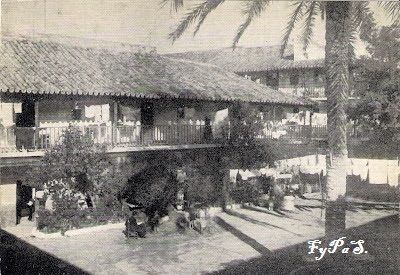
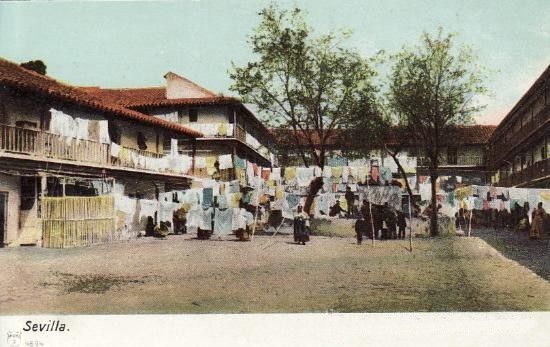
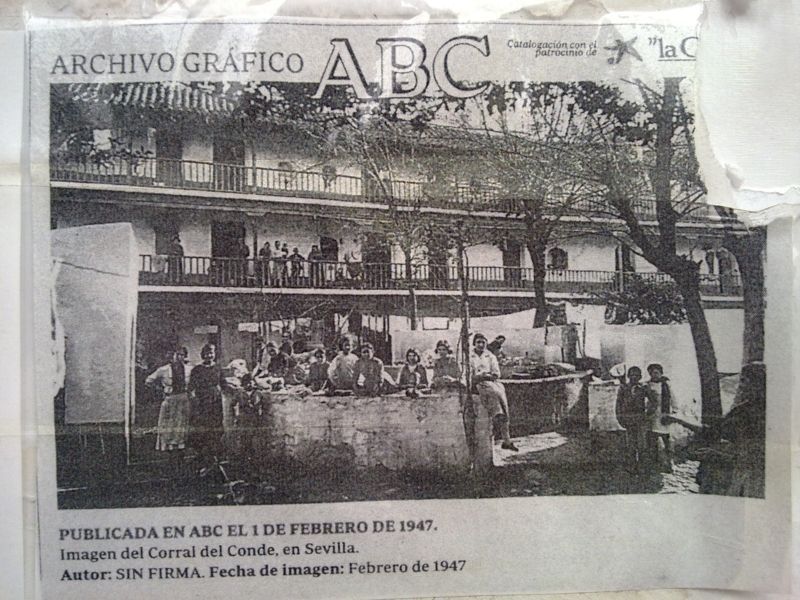
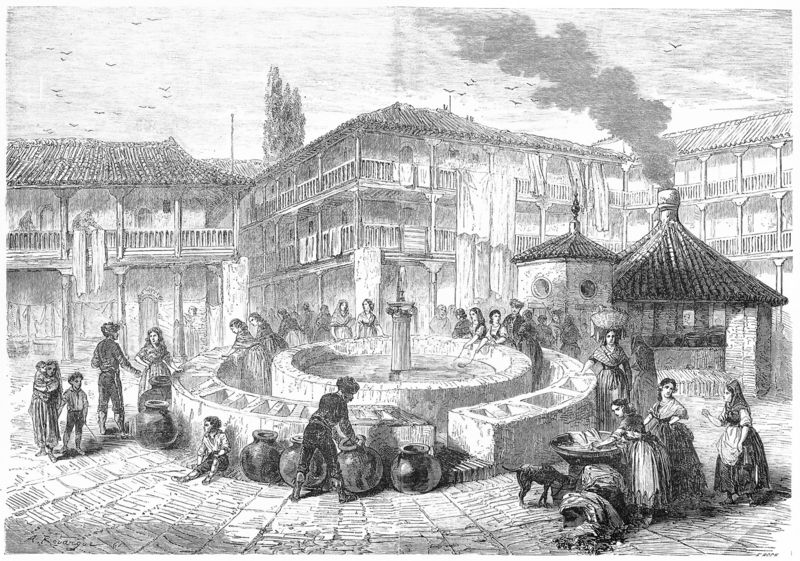
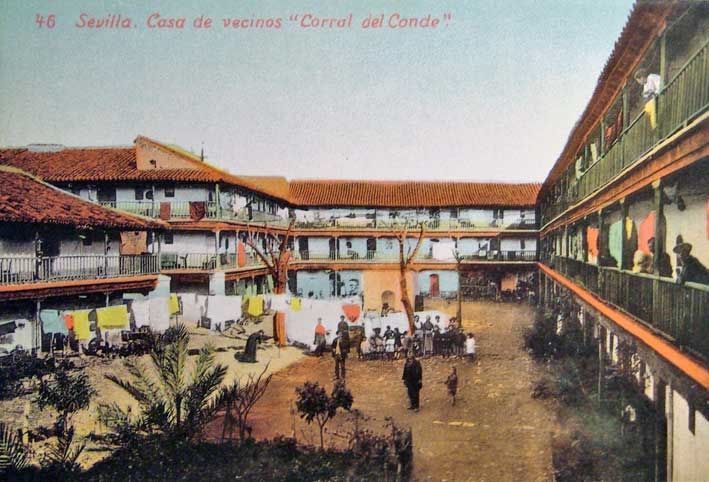
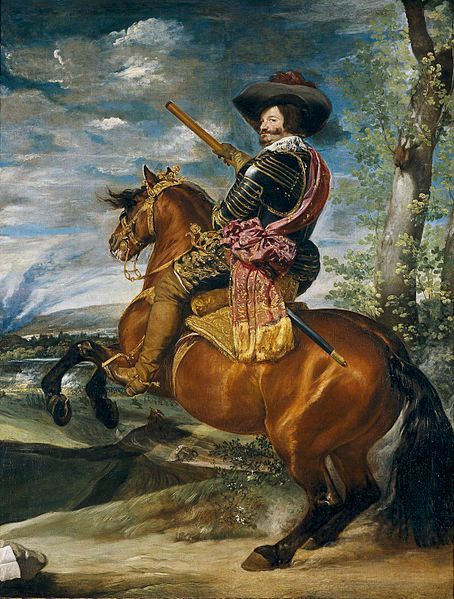
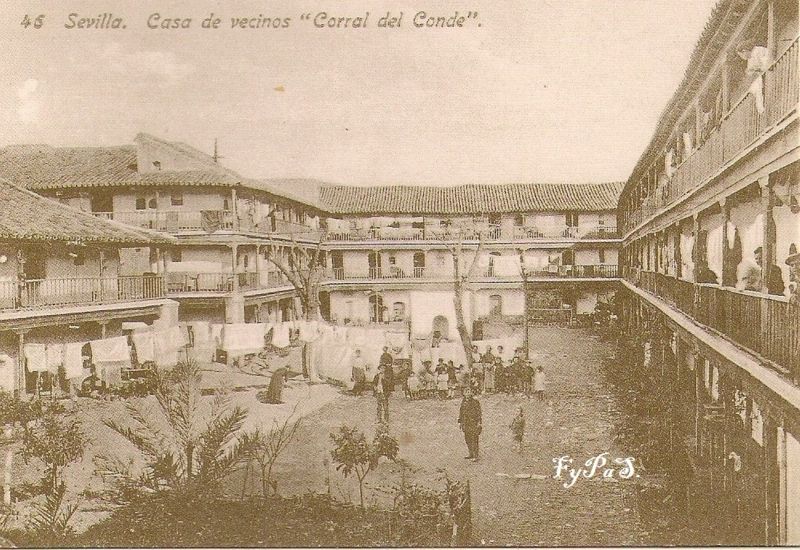
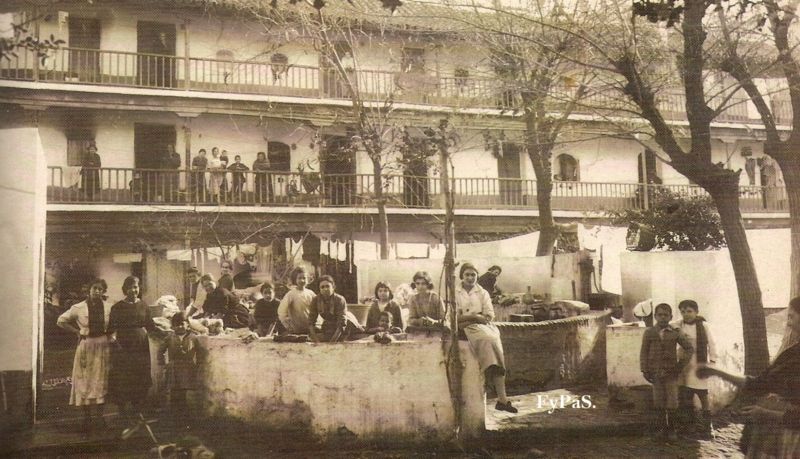
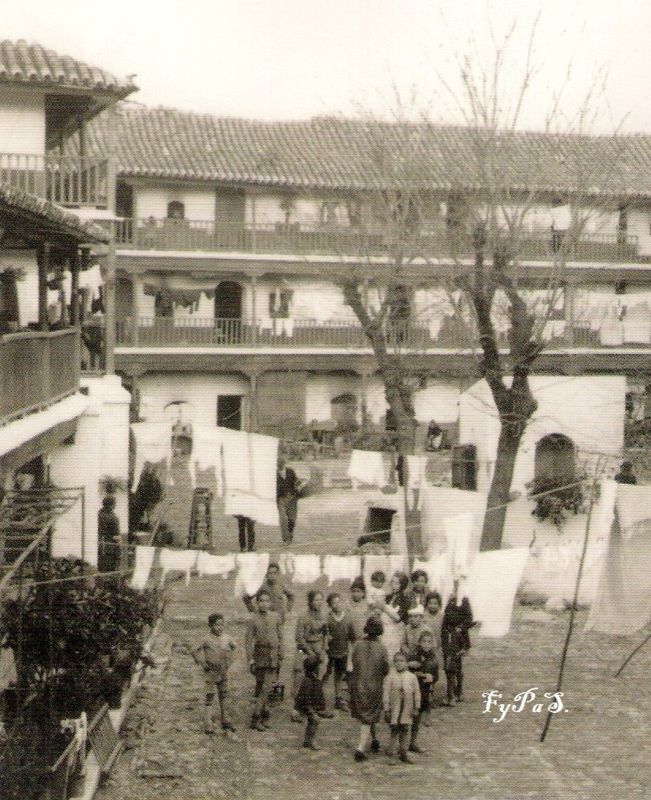
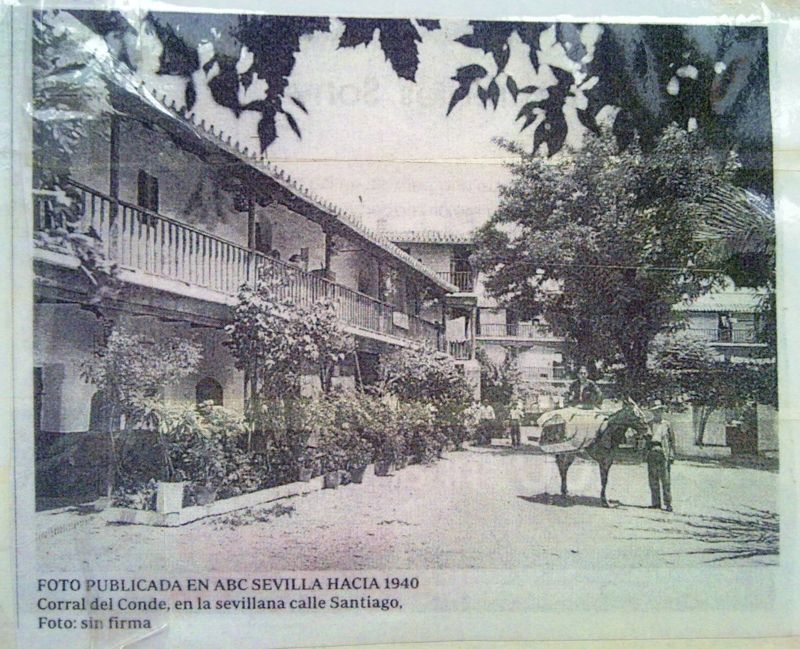
The Corral del Conde, so named because it belonged to the Count-Duke of Olivares, is a very expressive building of Sevillian popular architecture, probably the most interesting and complete of all those that existed, most of which have now disappeared.
Its origins are Muslim, with Mudéjar restructuring, although its current layout reflects 18th-century vernacular architecture. It has maintained its formal and structural characteristics to this day, as there have been no changes in use or major alterations to its initial configuration. The deterioration caused by time and the extremely poor living conditions resulting from the obsolescence of the housing forms the courtyard provided made its rehabilitation necessary. Initially, in 1975, this project was undertaken by Aldo Rossi with G. Braghieri and A. Cantáfora, but it was ultimately never implemented. Subsequently, the renovation and restoration work to adapt it into an apartment building took place during 1982-1983, under the direction of the architect José María Martínez Escribano.
The corral is perfectly preserved today, preserving its external structure and aesthetic characteristics, although the interior has had to undergo major transformations to adapt the rooms to their dimensions, leading to the breaking of the housing unit that formed the columns of the building's bays.